
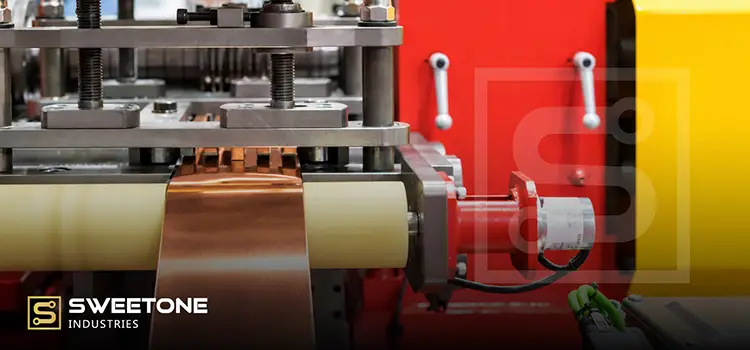
Sheet metal fabrication sits at the core of modern manufacturing. From industrial machinery to electrical enclosures and structural components, this process turns flat metal sheets into precise, usable products. When handled with the right expertise, sheet metal fabrication ensures strength, accuracy, and long-term performance.
What is Sheet Metal?
Sheet metal refers to thin, flat metal pieces shaped into different forms through controlled mechanical processes. Materials such as mild steel, stainless steel, aluminium, and copper are commonly used due to their durability and flexibility. Because of its adaptability, sheet metal supports industries ranging from construction and automotive to energy and manufacturing.
Sheet Metal Fabrication Process Explained
-The sheet metal fabrication process involves a structured workflow that transforms raw material into finished components. Each stage plays a direct role in product strength and dimensional accuracy.
Design and Engineering
Every fabrication project begins with detailed planning. Engineers prepare technical drawings that define dimensions, tolerances, and assembly requirements. Proper design reduces material waste and improves production efficiency.
Material Preparation
Selecting suitable sheet metal material ensures durability and performance. Thickness, strength, and corrosion resistance influence how the metal behaves during sheet metal forming and machining.
Cutting and Shaping
Precision cutting methods such as laser cutting, shearing, or CNC punching convert raw sheet metal into defined shapes. Accurate cutting is essential for maintaining consistency during later fabrication stages.
Sheet Metal Forming
Sheet metal forming techniques like bending, rolling, and stamping create the required geometry. This stage determines structural stability and ensures components fit seamlessly during assembly.
Assembly and Joining
Fabricated components are joined through welding, fastening, or riveting. Proper assembly ensures structural integrity and reliable performance in demanding industrial environments.
Surface Treatment and Inspection
Surface finishing improves durability and appearance. Processes such as powder coating, polishing, or galvanising protect sheet metal products from corrosion and environmental wear. Final quality checks confirm compliance with technical standards.
Why Efficient Sheet Metal Manufacturing Matters
Modern sheet metal manufacturing relies on precision machinery and skilled craftsmanship. Efficient fabrication improves production speed, reduces operational costs, and supports consistent output quality. Businesses benefit from customised solutions that match both functional and design requirements.
Key Sheet Metal Fabrication Techniques
Different sheet metal fabrication techniques serve specific production needs. Common methods include:
- Laser cutting for accurate shaping
- CNC bending for repeatable forming
- Stamping for large-scale manufacturing
- Welding for strong structural joints
- Surface finishing for long-lasting performance
Each technique contributes to reliable sheet metal processing and durable finished components.
Applications of Sheet Metal Products
Sheet metal products are widely used across industries, including:
- Industrial equipment and machinery
- HVAC and ventilation systems
- Automotive structures and panels
- Electrical cabinets and enclosures
- Construction frameworks and architectural elements
Their versatility makes sheet metal fabrication essential in modern engineering and manufacturing.
FAQs
What is the process of sheet metal fabrication?
It involves designing, cutting, forming, assembling, and finishing metal sheets to create functional industrial components.
Do fabricators get paid more than welders?
Earnings depend on experience and specialisation. Skilled fabricators and certified welders often earn similar wages in industrial sectors.
What are the steps of the fabrication process?
Key steps include design planning, material selection, cutting, forming, assembly, finishing, and quality inspection.
What is the highest paid sheet metal worker?
Senior fabrication engineers, CNC specialists, and industrial supervisors usually earn the highest salaries due to advanced technical expertise.