
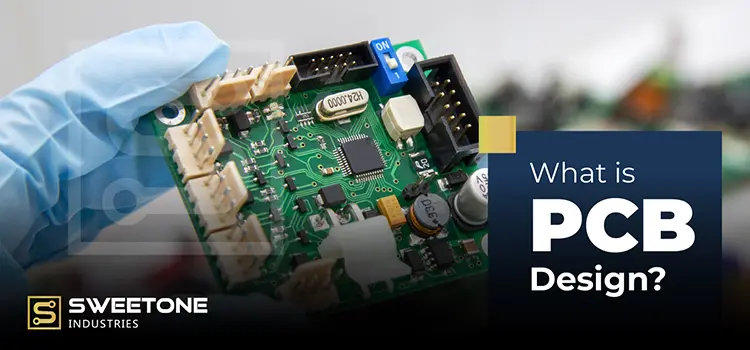
Printed Circuit Board (PCB) design is the process of planning and creating the layout of electronic circuits on a board that connects different components in a controlled way. When people search what is PCB design, pcb kya hota hai, or pcb design meaning, they are basically trying to understand how electronic devices are built at the core level. PCB design in full form is Printed Circuit Board Design, and it is the foundation of almost every electronic product today. From mobile phones to industrial machines, pcb circuit design ensures signals move correctly without interruption or failure in performance.
Understanding PCB Design Basics
What PCB Design Actually Means
- Arrangement of electronic components on a board
- Designing copper paths for current flow
- Creating a working structure from a circuit diagram
Key Idea Behind PCB Designing
PCB designing focuses on turning an idea into a physical working system. A pcb designer makes sure every connection is correct, stable, and efficient for long-term use.
Key Components of a PCB
Main Parts Used in PCB Board Design
- Substrate (base material for strength)
- Copper layers for electrical connection
- Pads for mounting components
- Traces for signal flow
- Solder mask for protection
Why These Components Matter
Each part plays a role in ensuring smooth pcb circuit design. Even a small fault in layout can affect device performance.
Why PCB Design is Important
Role in Modern Electronics
- Improves device performance and stability
- Reduces wiring complexity
- Makes products compact and efficient
- Helps in mass production with fewer errors
Practical Impact
Without proper pcb designing, devices may face heating issues, signal loss, or complete failure. That is why industries focus heavily on accurate pcb layout planning.
Types of PCB Design
Common PCB Types
- Single-layer PCB for simple devices
- Double-layer PCB for medium complexity systems
- Multi-layer PCB for advanced electronics
- Flexible PCB for bendable devices
- Rigid PCB for stable structures
Where They Are Used
Different pcb board design types are selected based on device size, function, and performance needs.
How PCB Design Works Step by Step
Basic Process Flow
- Study circuit diagram
- Create schematic design
- Place components on layout
- Route connections carefully
- Run design checks
- Prepare manufacturing files
Real Work Approach
A pcb designer always tests the design digitally before sending it for production to avoid errors and improve reliability.
Tools Used in PCB Designing
Popular PCB Design Software
- Altium Designer
- KiCad
- Eagle PCB
- OrCAD
- EasyEDA
Why Tools Matter
These tools help in pcb layout creation, simulation, and error detection before manufacturing starts. Companies like Sweetone Industires use such systems to improve accuracy in pcb circuit design and ensure consistent product quality.
Practical Use of PCB Design
Industries Using PCB Design
- Consumer electronics
- Automotive systems
- Medical devices
- Industrial automation
- Communication equipment
Real-World Value
Good pcb designing improves product life, reduces repair costs, and supports high-performance electronics.
FAQs
1. What is PCB design in simple terms?
It is the process of creating a circuit layout on a board that connects electronic components.
2. What is PCB design full form?
Printed Circuit Board Design.
3. What does a PCB designer do?
A PCB designer creates layouts, places components, and ensures proper electrical connections.
4. Why is PCB design important?
It ensures devices work properly, stay stable, and avoid circuit failures.
5. Where is PCB design used?
It is used in phones, computers, vehicles, and industrial machines.